hvac-solutions Products
Other Solutions

Earth Coat

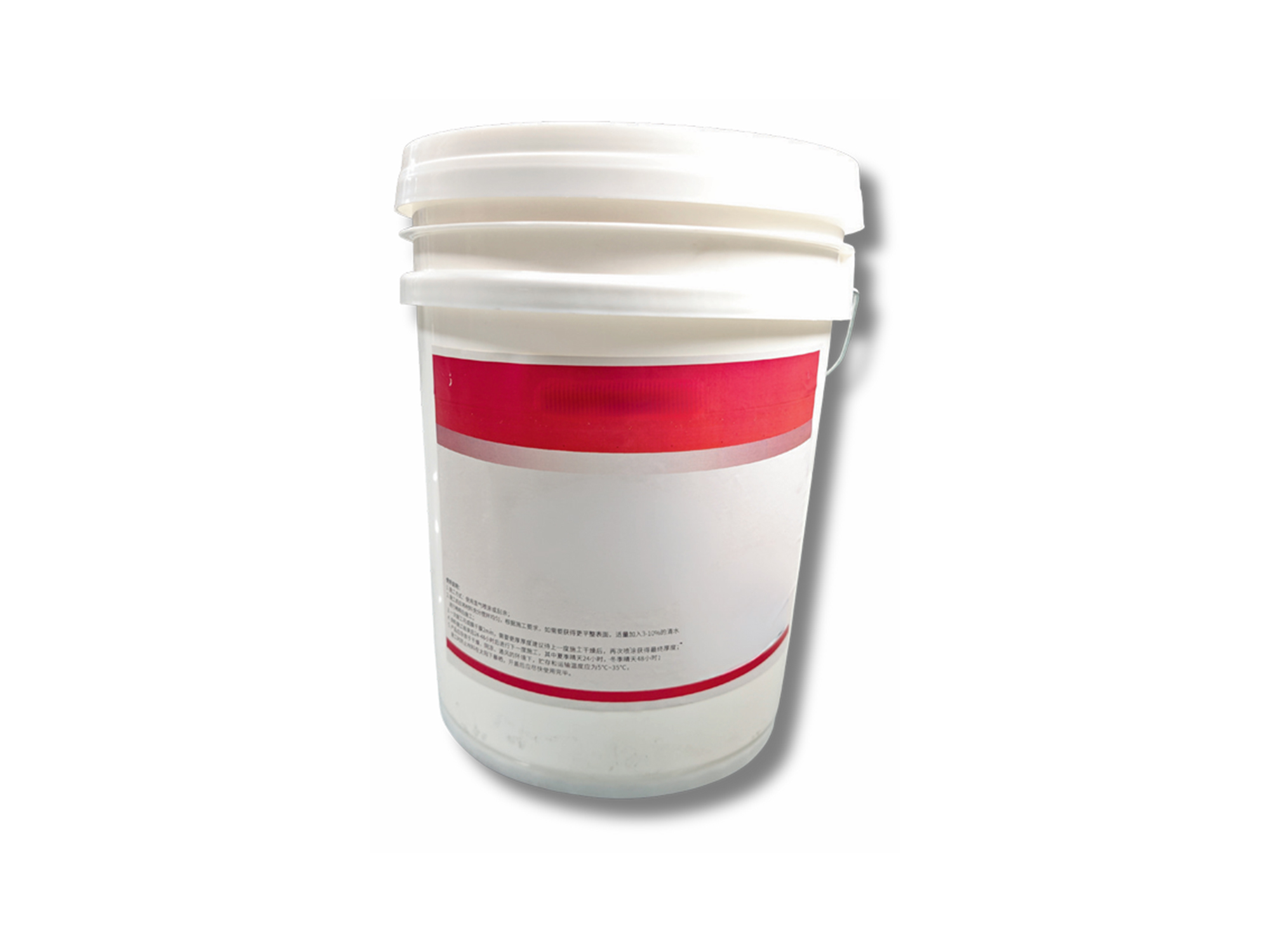
Earth Coat is an advanced thermal insulation coating designed for both exterior facades and interior wall systems. It is made from water-based resin, highly porous Earthcoat particles, and hollow microspheres that create a near-vacuum structure, significantly reducing heat transfer. This innovative coating provides exceptional insulation performance even at a thin application of just 2–3 mm, making it far more efficient than traditional bulky insulation materials. It reflects heat, minimizes thermal conductivity, and enhances indoor comfort by keeping spaces cooler in summer and warmer in winter. Earth Coat is lightweight, easy to apply through spray methods, and forms a seamless layer that eliminates thermal bridges. It also improves building durability by preventing wall peeling, reducing environmental impact during installation, and protecting against condensation and mold growth. Overall, Earth Coat is a modern, energy-efficient, and space-saving solution that enhances building performance, lowers energy costs, and supports sustainable construction.

Principle

  • Earthcoat thermal insulation coating is a new-generation composed of water-based resin, Earthcoat particles, microspheres.
  • The hollow microspheres in EC-I Earthcoat insulation mid-coat contain a near vacuum internal structure.
  • Earthcoat particles feature up to 95% porosity with pore sizes below 50 nm (smaller than the mean free path of molecules).
  • This structure makes heat transfer within the coating extremely difficult.

Advantages

  • The coating interface reflects heat and creates extremely high interfacial thermal resistance.
  • A 2–3 mm coating thickness delivers thermal insulation performance equivalent to more than 10 times that of conventional insulation materials.

Working Mechanism

Low Thermal Conductivity + Heat Reflection

  • Heat transfer QQ from the high-temperature side to the low-temperature side consists of:
    • Q₁: Conductive Heat Transfer
    • Q₂: Radiative Heat Transfer
  • Due to the high emissivity of the filler, Q₂ contributes significantly more than in conventional materials.
  • The internal hollow spherical structure and Earthcoat porous structure:
    • Refract and reflect thermal radiation, reducing radiative heat transfer efficiency.
    • As a result, Q₂ transfer efficiency is extremely low, giving the coating high thermal resistance.


Earth Coat Wall Insulation & Decoration

Exterior Wall System – Components

  • Topcoat / Particle Sprinkle:
    • Replaces natural stone paint / sand based decorative finish.
    • Significantly reduces finish layer costs.
  • Aerogel Insulating Mid-Coat:
    • Contains hollow microspheres and aerogel arranged in a specific pattern.
    • Thermal conductivity ~0.043 W/m·K.
    • High infrared emissivity in the 8–13 μm atmospheric window.
    • Excellent radiant insulation and very high interfacial thermal resistance.
  • Sealing Primer:
    • Seals substrate alkalis and other chemicals to prevent bleeding.
    • Ensures strong adhesion between mid coat and substrate.


Problem Solving


Interior Wall System – Multi-Functional Coating

  • EC-I Primer (Sealing Primer)
    • Seals the alkalinity or other chemical substances in the substrate.
    • Prevents these substances from affecting the finish coat quality.
    • Ensures strong adhesion between the intermediate coating and the substrate.
  • ECIW Earth Coat Thermal Insulation Intermediate Coating:
    • Contains hollow microspheres arranged in a specific pattern and Earth Coat.
    • Thermal conductivity of approximately 0.043 W/m·K.
    • High emissivity in the 8–13 μm infrared atmospheric window, excellent radiative insulation.
  • Transparent Topcoat:
    • ​​​​​​​Dirt-resistant and washable, protecting the system surface.

Condensation Test Results

Serial number Ambient temperature
°C
Ambient humidity
%
Test plate temperature
°C
Temperature difference
°C
EC-I thermal insulation coating Latex paint
1 30 90 18 12 No condensation There is condensation
2 32 90 18 14 No condensation There is condensation
3 24 95 18 6 No condensation There is condensation
4 26 95 18 8 No condensation There is condensation
5 30 95 18 12 No condensation There is condensation
6 32 95 18 14 No condensation There is condensation

Comparison with Conventional Interior Coatings


Need Assistance?

Chat with Us
Chat with Us ×
Scan to Chat on WhatsApp
WhatsApp QR
Scan to Chat on WeChat
WeChat QR